



Adenosine A2A receptor (A2AR)
Adenosine A2A receptor is a G-protein-coupled adenosine receptor that mediates immunomodulatory, striatal, and tumor-microenvironment signaling responses[1][2][3]. Mechanistically, inosine activates A2AR and drives cAMP production and ERK1/2 phosphorylation, showing ERK1/2-biased signaling compared with adenosine[1]. In inflammatory cells, A2 receptor activation inhibits lipopolysaccharide-stimulated TNF-α production, and the A2 agonist CPCA is far more effective than the A1 agonist CCPA[4]. In Parkinson’s disease models, A2A antagonists target GABAergic striatopallidal medium spiny neurons and improve motor deficits without worsening dyskinesia[2][5][6]. In tumors, extracellular adenosine suppresses antitumor immunity through A2AR on infiltrating immune cells, supporting A2AR blockade as an immuno-oncology strategy[3][7]. Compared with related isoforms, A2AR is distinguished experimentally by selective antagonists such as CGS 15943 and KW6002, whereas DMX-7R is described as a partial A1 agonist[2][8]. For research applications, A2AR agonists and antagonists enable pathway testing across cAMP, ERK1/2, GABAergic transmission, and tumor immune suppression models[1][2][3][7].
References:
- [1]. Welihinda AA, et al. The adenosine metabolite inosine is a functional agonist of the adenosine A2A receptor with a unique signaling bias. Cell Signal. 2016 Jun;28(6):552-60. [Content Brief]
- [2]. Kase H, et al. Progress in pursuit of therapeutic A2A antagonists: the adenosine A2A receptor selective antagonist KW6002: research and development toward a novel nondopaminergic therapy for Parkinson's disease. Neurology. 2003 Dec 9;61(11 Suppl 6):S97-100. [Content Brief]
- [3]. Buisseret L, et al. Phase 1 trial of the adenosine A2A receptor antagonist inupadenant (EOS-850): Update on tolerability, and antitumor activity potentially associated with the expression of the A2A receptor within the tumor. Journal of Clinical Oncology. 2021;39:2562-2562.
- [4]. Thiel M, et al. Acting via A2 receptors, adenosine inhibits the production of tumor necrosis factor-alpha of endotoxin-stimulated human polymorphonuclear leukocytes. J Lab Clin Med. 1995 Sep;126(3):275-82.
- [5]. Uchida S, et al. The adenosine A2A receptor antagonist, istradefylline enhances anti-parkinsonian activity induced by combined treatment with low doses of L-DOPA and dopamine agonists in MPTP-treated common marmosets. Eur J Pharmacol. 2015 Nov 5;766:25-30. [Content Brief]
- [6]. Ohno Y, et al. The adenosine A2A receptor antagonist/inverse agonist, KW-6356 enhances the anti-parkinsonian activity of L-DOPA with a low risk of dyskinesia in MPTP-treated common marmosets. J Pharmacol Sci. 2023 Jul;152(3):193-199. [Content Brief]
- [7]. Hao X, et al. Electromagnetic Functional Properties of Flexible Picosecond Laser-Induced Graphene Films Modified with Silver Nanoparticles. ACS Appl Mater Interfaces. 2026 May 27;18(20):28957-28968. [Content Brief]
- [8]. Khalili M, et al. Underserved Does Not Mean Undeserved: Unfurling the HCV Care in the Safety Net. Dig Dis Sci. 2018 Dec;63(12):3250-3252. [Content Brief]
All Product Categories
-
Adenosine A2A receptor (A2AR) Inhibitors
(4)
View all products
-
Adenosine A2A receptor (A2AR) Agonists
(11)
View all products
-
Adenosine A2A receptor (A2AR) Antagonists
(37)
View all products
-
Adenosine A2A receptor (A2AR) Activator
(1)
View all products
-
Adenosine A2A receptor (A2AR) Modulator
(1)
View all products
-
Adenosine A2A receptor (A2AR) Related Products (57)
Related Products (57)

-
Derenofylline
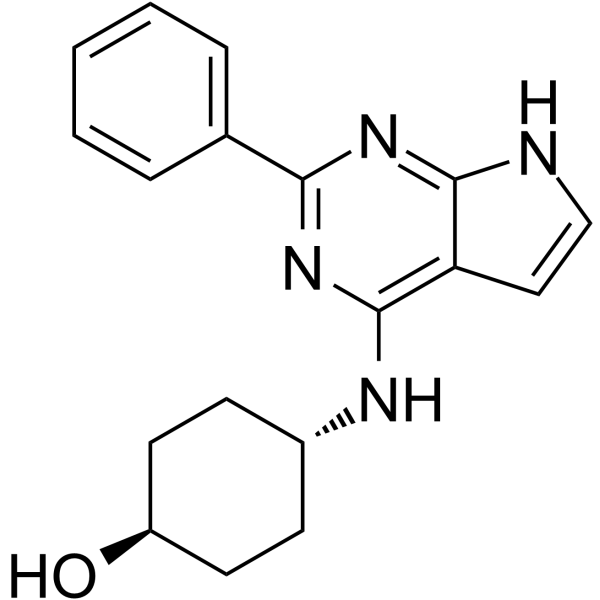 0 ImagesSynonyms: SLV 320Derenofylline (SLV 320) is a potent, selective and orally active adenosine A1 receptor antagonist, with Ki values of 1 nM, 200 nM and 398 nM for human A1, A3 and A2A receptors respectively. Derenofylline suppresses cardiac fibrosis and attenuates albuminuria without affecting blood pressure in rats.
-
PSB36
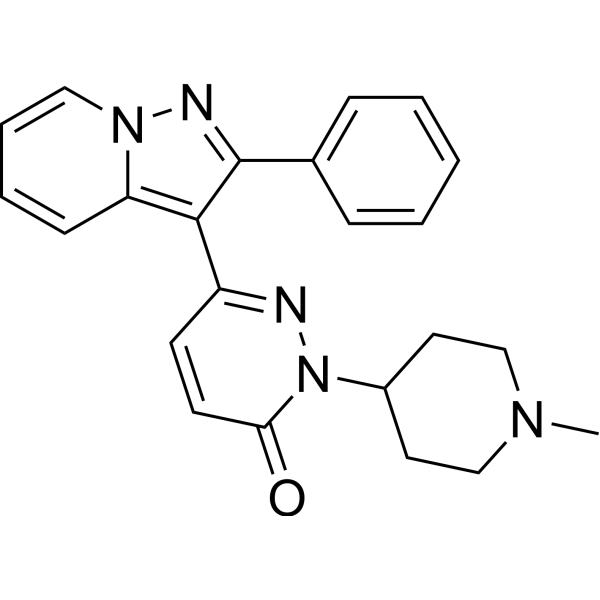
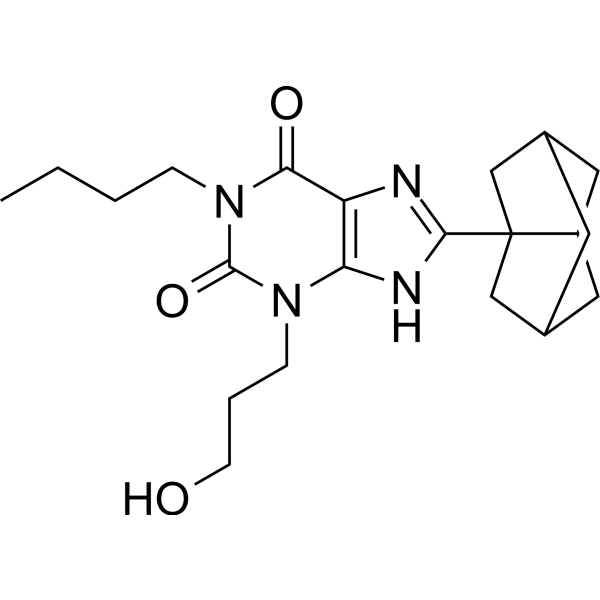 0 ImagesPSB36 is a highly selective A1 adenosine receptor antagonist, with a Ki of 0.12 nM and a Kd of 0.7 nM. Systemic administration of PSB36 reduces formalin- and Carrageenan (HY-125474)-induced edema in mice and decreases pain-related behaviors, with no local paw activity. PSB36 prolongs the APD90 of rat and human atria, produces a frequency-dependent prolongation of rat atrial ERP, increases the diastolic threshold of rat atria, and shortens the duration of atrial fibrillation episodes. PSB36 can be used in research related to inflammatory pain, inflammatory hyperalgesia, edema and atrial fibrillation.
-
Sulcatone
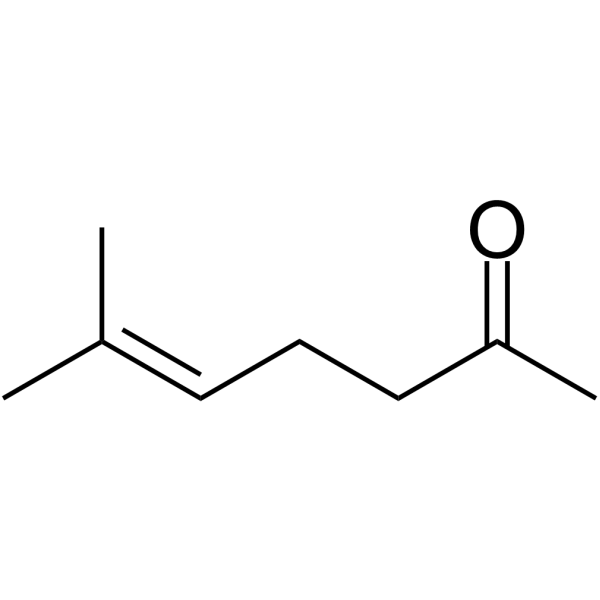 0 ImagesSynonyms: 6-Methyl-5-hepten-2-oneSulcatone (6-Methyl-5-hepten-2-one) is a plant-derived volatile organic compound with activities such as insecticidal, antifungal, and blood pressure-lowering effects. Sulcatone also serves as an insect pheromone and an endogenous metabolite, which can be found in feces. Changes in Sulcatone levels can be used for the auxiliary diagnosis of ulcerative colitis.
-
INCB106385
 0 ImagesCat. No.: HY-184213CAS No.: 2408260-34-2INCB106385 is an orally active A2A/A2B adenosine receptor antagonist, with an IC50 value of 4.4 nM for cAMP inhibition at the A2A adenosine receptor and an IC50 value of 6.4 nM for cAMP inhibition at the A2B adenosine receptor. INCB106385 inhibits the pCREB signaling pathway in immune cells, blocks adenosine-mediated immunosuppression in the tumor microenvironment, and induces tumor regression. INCB106385 exhibits efficacy as a monotherapy or in combination with anti-PD-1 antibodies in colon cancer models. INCB106385 can be used for the research of colon cancer.
-
A2AR/EGFR-IN-1
 0 ImagesCat. No.: HY-184116A2AR/EGFR-IN-1 is a dual A2AR/EGFR inhibitor, with an IC50 of 0.037 μM against A2AR and an IC50 of 8.37 μM against EGFR. A2AR/EGFR-IN-1 induces cell cycle arrest at S and G2/M phases. A2AR/EGFR-IN-1 upregulates the expression of TP53, Caspase3 and Bax, downregulates the expression of Bcl2, and promotes cell Apoptosis. A2AR/EGFR-IN-1 restores colon crypt structure in an azoxymethane (HY-111375)-induced colorectal cancer model in vivo. A2AR/EGFR-IN-1 can be used for research related to colorectal cancer.
-
(E)-8-(3-Chlorostyryl)caffeine
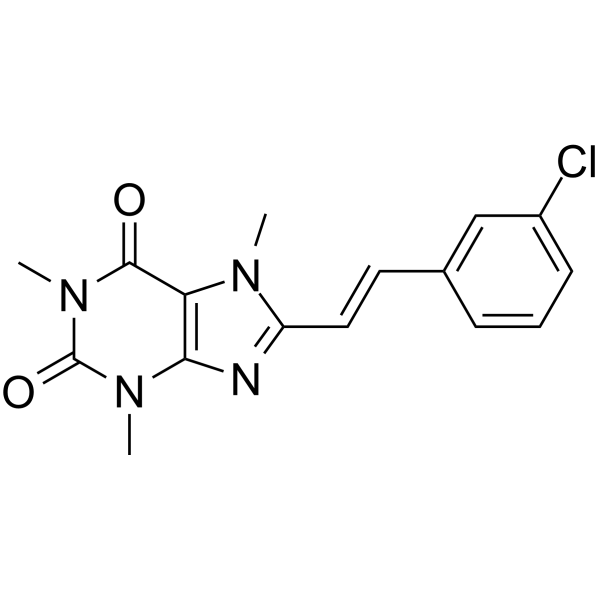 0 ImagesSynonyms: (E)-CSC(E)-8-(3-Chlorostyryl)caffeine is a selective adenosine A2A receptor antagonist. (E)-8-(3-Chlorostyryl)caffeine inhibits monoamine oxidase B (MAO-B) with a Ki value of 70 nM by a pathway that is independent of its actions on the A2A receptor. (E)-8-(3-Chlorostyryl)caffeine has the potential for Parkinson's disease research.
-
N6-(4-Hydroxybenzyl)adenosine
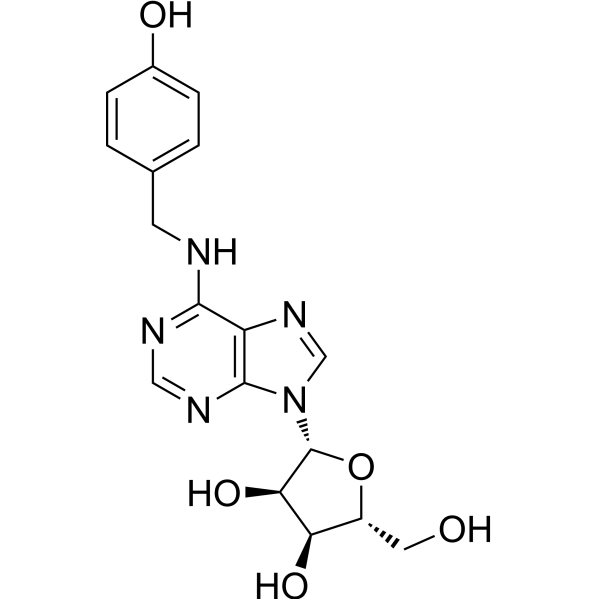 0 ImagesSynonyms: Para-topolin ribosideN6-(4-Hydroxybenzyl) adenosine (Para-topolin riboside) is an equilibrative nucleoside transporter 1 (ENT1) inhibitor and a selective agonist of adenosine A2a receptor (A2aR), and also exhibits activity against P2Y12 receptor. N6-(4-Hydroxybenzyl) adenosine reduces ethanol intake and preference, attenuates operant conditioning-induced ethanol place preference, decreases the value of ethanol-related rewards, and inhibits collagen-induced platelet aggregation. N6-(4-Hydroxybenzyl) adenosine can be used in studies related to alcohol use disorder.
-
Adenosine receptor inhibitor 1
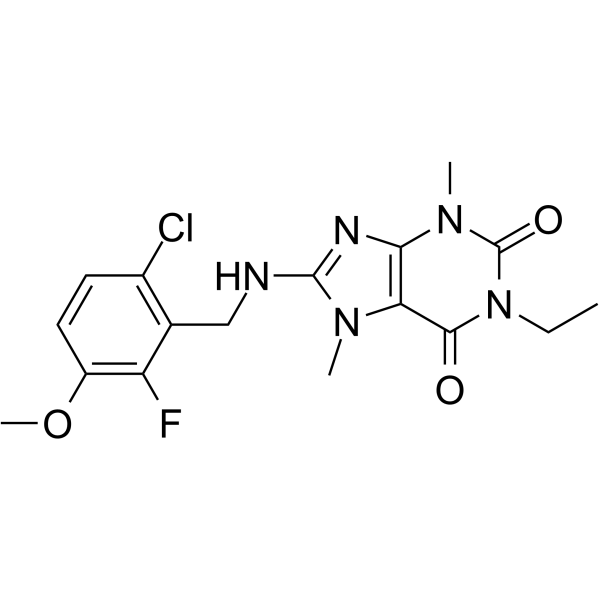 0 ImagesAdenosine receptor inhibitor 1 is a potent and selective adenosine receptor (AR) inhibitor with Ki values of >1000, 68.5, >1000, >1000 nM for A1AR, A2AAR, A2BAR, A3AR, respectively. Adenosine receptor inhibitor 1 shows antinociceptive activity, anti-inflammatory effect and peripheral analgesic effect. Adenosine receptor inhibitor 1 has the potential for the research of cancer or neurodegenerative diseases.
-
Evodenoson
 0 ImagesSynonyms: ATL 313; DE 112Evodenoson is a selective agonist of the A2A adenosine receptor. Evodenoson’s primary actions include reducing inflammatory responses, decreasing intestinal fluid secretion, edema, tissue damage, and neutrophil infiltration induced by Clostridium difficile toxin A. Evodenoson’s protective effect is achieved by reducing myeloperoxidase (MPO) and adenosine deaminase (ADA) activities, and by lowering the production of tumor necrosis factor-alpha (TNF-α).
-
ANR94
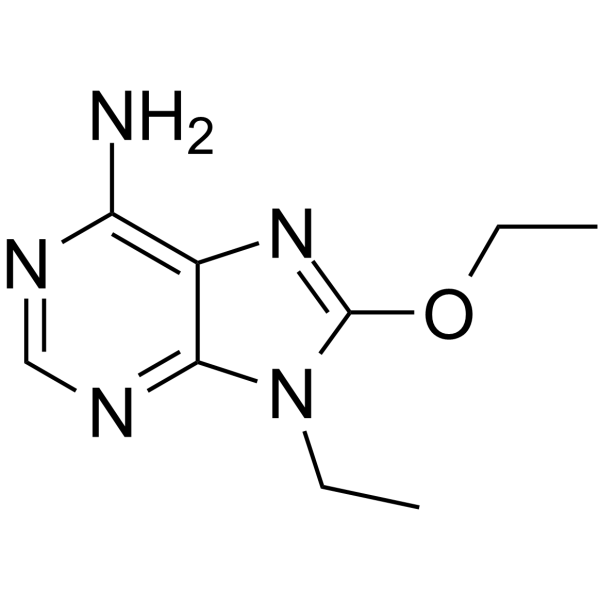 0 ImagesANR94 is a potent and selective adenosine A2A receptor (AA2AR) antagonist with an Ki of 46 nM for hAA2AR. ANR94 has the potential for the research of Parkinson's disease.
-
M1069
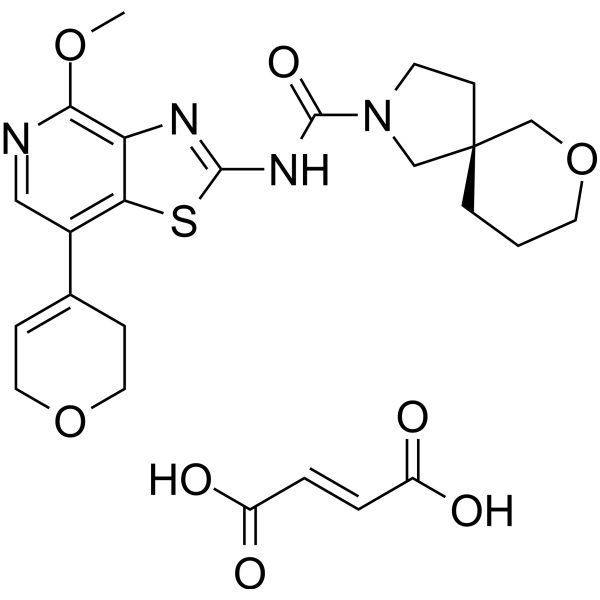 0 ImagesM1069 is a selective and orall active, dual A2A/A2B adenosine receptor antagonist with a selectivity of >100 fold against the A1 and A3 receptors. M1069 counteracts immune-suppressive mechanisms of adenosine, and exhibits anti-tumor activity.
-
Adenosine receptor inhibitor 2
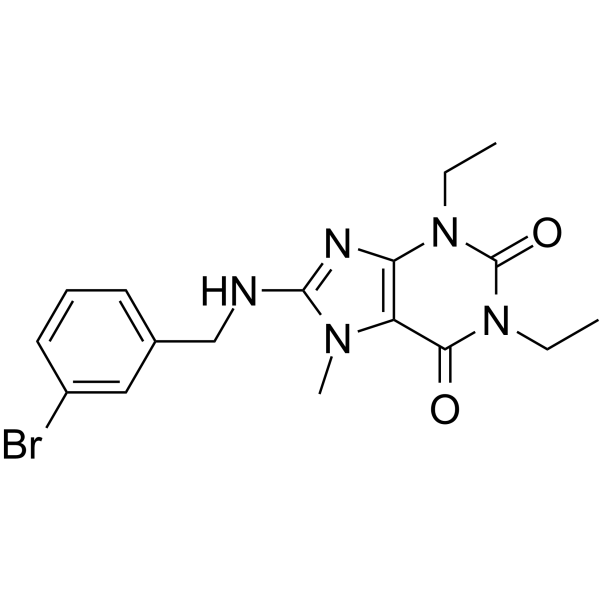 0 ImagesAdenosine receptor inhibitor 2 (compound 14b) is a potent AR (adenosine receptor) inhibitor. Adenosine receptor inhibitor 2 shows dual affinity toward A1/A2A ARs with higher affinity for the A1- than the A2AAR. Adenosine receptor inhibitor 2 has Ki values of 52.2 nM for the A1AR and 167 nM for the A2AAR.
-
MRS1334
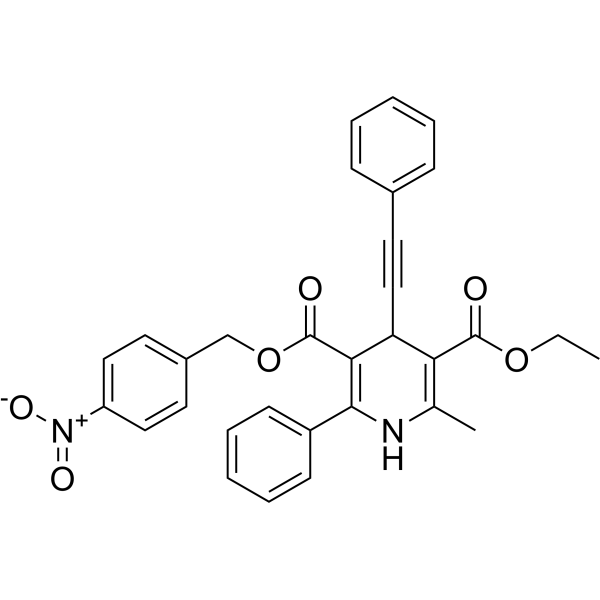 0 ImagesMRS1334 is a potent and selective human adenosine A3 receptor antagonist with Kis of 2.69 nM, >100 nM, >100 nM for hA3, rA1, rA2A, respectively. MRS1334 blocks the protective effect of Cl-IB-MECA leading to significant bradycardia and elevated ST segment. MRS1334 is a click chemistry reagent, it contains an Alkyne group and can undergo copper-catalyzed azide-alkyne cycloaddition (CuAAc) with molecules containing Azide groups.
-
LUF5834
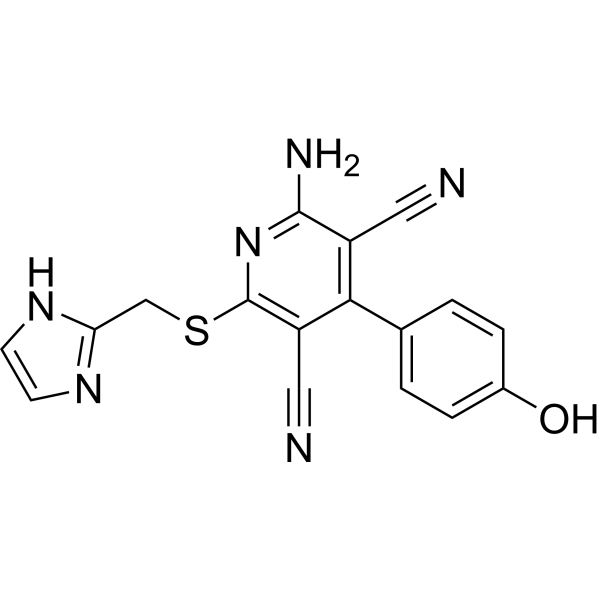 0 ImagesLUF5834 is a selective A2B adenosine receptor (A2BR) partial agonist (EC50 = 12 nM). LUF5834 is also a partial A1/A2A adenosine receptor agonist (lacking selectivity) with Ki values of 2.6 and 28 nM, respectively.
-
A1AR antagonist 6
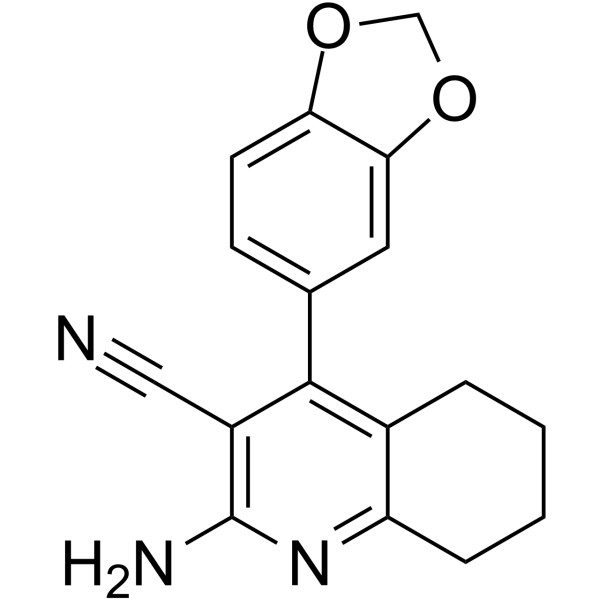 0 ImagesA1AR antagonist 6 (compound 15) is a potent and selective A1AR (A1 adenosine receptor) antagonist, with a pIC50 of 6.38 and a pKi of 7.13.
-
MRE 0094
 0 ImagesSynonyms: SonedenosonMRE 0094 (Sonedenoson) is a selective activator for adenosine receptor A2A, with a Ki of 490 nM. MRE 0094 exhibits anti-platelet and anti-inflammatory activities.
-
Adenosine receptor antagonist 2
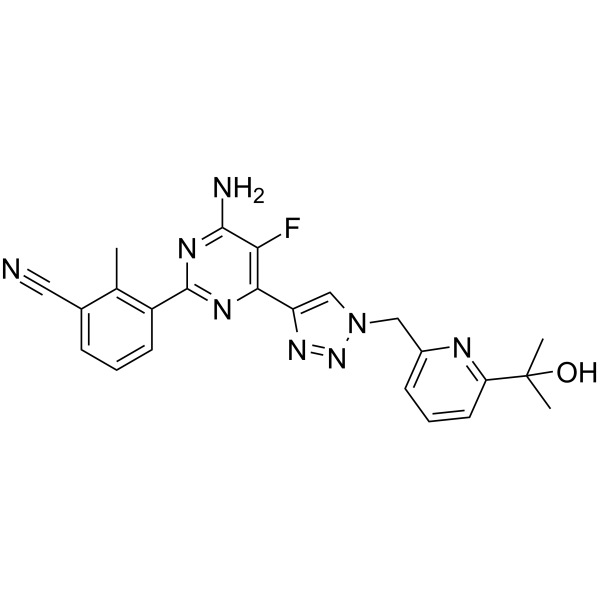 0 ImagesAdenosine receptor antagonist 2 is an orally active A2a/A2b adenosine receptor antagonist with IC50s of 1 nM and 3 nM, respectively. Adenosine receptor antagonist 2 has anti-tumor activity.



